
By Blair Golightly Coffman, Third-year Student, University of the Incarnate Word Rosenberg School of Optometry
The first year of optometry school is an important time and is largely focused on building a strong foundation. Many students, me included, find the first year to be the most challenging because of the adaptation period to a new city and the academic demand. The good news: If you know what to focus on, it will set you up for success.
Early on, many students realize that while hobbies and outside interests are still important, school quickly becomes the main priority. The more effort you put into learning the material and building a solid foundation during the first year, the easier it becomes to manage future classes and begin preparing for boards. This is also the time to get to know your professors, meet classmates, and figure out what study methods and environments work best for you.
First Semester: Finding Your Rhythm
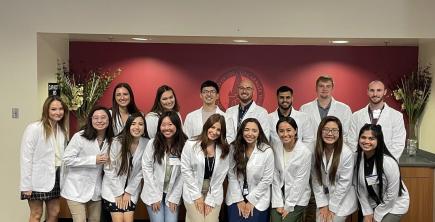
One of the main goals of the first semester is to establish study habits that are effective and realistic. If you already know what works for you, stick with it. That said, many students find they need to adjust their approach compared to the one they used during undergrad. This often means spending more time actively engaging with the material, such as using flashcards, rewriting notes from memory, or studying with friends. Classes like ocular anatomy, systemic pathology, and optics are especially important during the first year and can be easy to underestimate early on. Keeping your notes and practice problems organized for classes like these from the start can save a lot of time and stress when preparing for boards later.
Reaching out to upperclassmen and academic advisors can also help you prepare for what you can expect from each class. For example, my school assigns “big siblings” to incoming first years, which was a huge help; if your school does this, connect with them!
- Office hours are another resource that students sometimes overlook. Meeting one-on-one with professors, particularly for courses that feel more challenging or interesting, can make a big difference. Professors bring a lot of clinical and real-world experience to the classroom and building those relationships early can be helpful throughout school.
- Get familiar with your new surroundings before school becomes overwhelming. This will help you stay focused and avoid wasting time searching for places to study. It also helps to start building your social circle early. Joining student organizations is a good way to meet people, but I recommend only joining a few so that studying remains a priority.
Second Semester: Building on What You’ve Learned
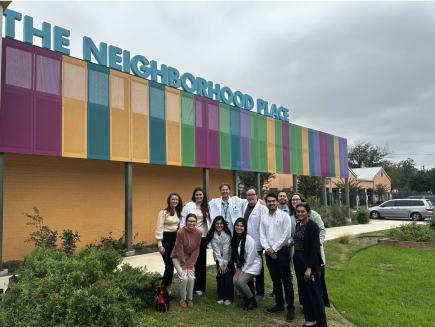
The second semester is just as important as the first and continues to build on the foundation you’ve already started. If your program includes ocular anatomy, optics and physiology, these subjects deserve extra attention, as they play a major role in later ocular disease and clinical courses. This can also be the semester when programs begin to place more emphasis on clinical skills, many of which take time and repetition to master, so make sure to spend more time in the lab if needed.
- If your school offers limited clinical exposure during the first year, volunteering at vision screenings can be a valuable way to gain hands-on experience.
Summer After the First Year: Taking Advantage of Time
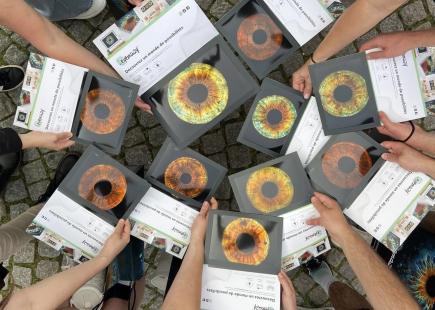
The summer after the first year may be the last long break you have during optometry school, so it’s worth taking time to enjoy it. This time can also be a great opportunity to gain experiences outside of school. Some students choose to study abroad, get involved in research, or work in clinical settings.
Opportunities like these can maximize your school experience and don’t have to last the entire summer to be worthwhile. This is also a good time to start looking at the NBEO outline. Becoming familiar with topics that are emphasized can help guide how you approach future classes and board preparation.
Stay tuned for the next article in the series: Year Two: Growing Confidence & Transitioning to Clinic.
Blair Golightly Coffman completed her Bachelor of Science degree at the University of Oklahoma in 2023 with an emphasis in Biology and Public Health. She is currently a third-year student at UIWRSO, where she serves as President of the Optometric Vision Development and Rehabilitation Association and is Secretary of the Contact Lens Society. Her professional interests include pediatric optometry and myopia control.
19578 03/26


