



Lester’s Story
A father’s perspective: Lester’s journey navigating childhood myopia with Sofia
Lester remembers the moment clearly—not because it was dramatic, but because it changed how he and his wife began thinking about their daughter’s future. A school eye screening revealed that Sofia had myopia, and suddenly vision became something the family paid much closer attention to.
Sofia was young, energetic, and curious about the world. Learning that she had nearsightedness prompted questions Lester hadn’t expected to ask so early: How quickly would her vision change? Would it limit the things she could do? And what could they do now to help her in the long term?
Looking for answers as parents
After the initial screening, Lester and his wife began visiting specialists and learning more about myopia in children. They discovered that myopia often progresses during the early school years, which made timing feel especially important.1 Like many parents, they wanted clear guidance.
When they met with Sofia’s eye doctor, the conversation expanded beyond glasses. They learned about myopia management, an approach focused on addressing how myopia progresses as kids grow, rather than only correcting blurry vision.2
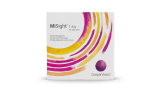
After careful consideration, Sofia began wearing misight® 1 day* contact lenses. For Lester, it felt like a thoughtful step—not a quick fix, but part of a longer-term plan for Sofia’s eye health.3
Watching Sofia grow with confidence
Over time, Lester noticed changes that had little to do with vision charts. Sofia moved differently. She carried herself with more confidence. Dance classes became easier without worrying about glasses slipping. Sports felt more accessible.4 Everyday activities no longer came with small frustrations she had simply learned to accept before.
“I’ve seen you grow with confidence,” Lester tells her. “Nothing holds you back when you’re exploring the world.”
As Sofia prepared for middle school, she talked excitedly about trying new sports, taking advanced classes, and finding her place socially and creatively. Lester saw how clearer vision supported her independence—but more importantly, how confidence shaped her willingness to try.5-7
Reflecting on what it means as a parent
Watching Sofia grow also made Lester reflect on his own childhood. He wondered how different his experiences might have been if vision challenges hadn’t limited certain opportunities. That thought stayed with him. For Lester and his wife, choosing contact lenses wasn’t about convenience. t was about viewing eye care as an investment in their child’s health—something that could support Sofia as she explored who she is and who she wants to become.
Seeing the bigger picture
Sofia’s story reflects what many families experience as childhood myopia becomes more common. Vision challenges affect more than eyesight—they influence confidence, movement and a child’s sense of possibility.8,9
Today, myopia is part of Sofia’s story, but it doesn’t define her. She’s learning, dancing, trying new things and moving forward with confidence. And for Lester, that outcome matters most. “Myopia hasn’t held her back,” he says.
Learn more at the Myopia Blog

What is myopia? Causes, warning signs, risks and solutions
If you’ve heard of myopia, you probably already know it has something to do with vision—even if you’re unsure exactly what it is. Myopia is a common vision condition in children...

MiSight® 1 day vs. Single Vision Contact Lenses: Why Parents are Choosing a Contact Lens that Does More
If your child has been diagnosed with myopia (nearsightedness), you’ve probably already noticed how quickly prescriptions can change. 1 Not all contact lenses work the same way...
The Winning Edge: How Contact Lenses Can Boost Young Athletes' Vision and Performance
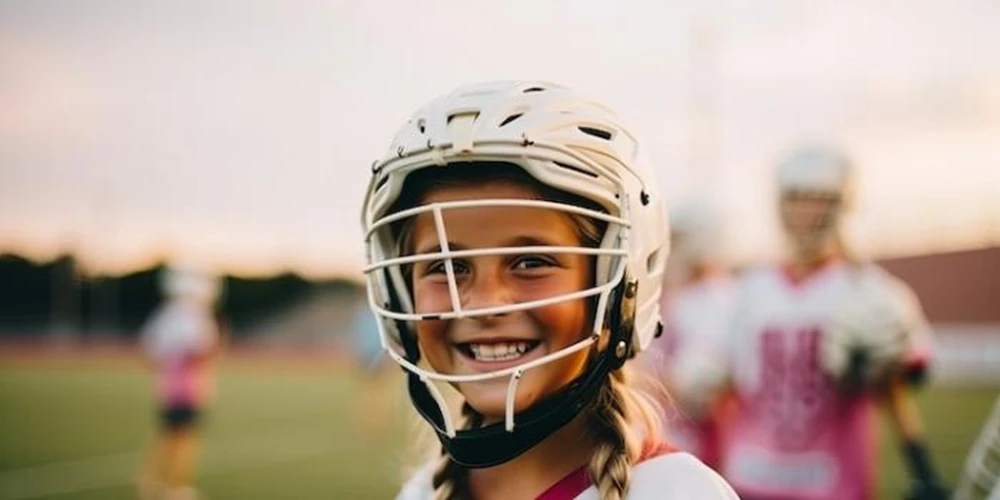
Clear vision is essential for young athletes when it comes to their ability to perform in sports and their active lifestyles. MiSight® 1 day contact lenses for myopia control...
What are the Risks of High Myopia?
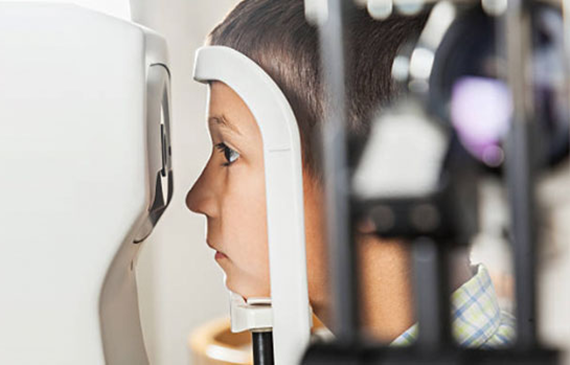
The blurred vision that comes with nearsightedness, also known as myopia, can sometimes be little more than an inconvenience. But in some cases, it can also put your eye health at...
*INDICATIONS AND BRIEF SAFETY INFORMATION for MiSight® 1 day soft contact lens:
INDICATIONS:
MiSight® 1 day (omafilcon A) Soft (Hydrophilic) Contact Lenses for Daily Wear are indicated for the correction of myopic ametropia and for slowing the progression of myopia in children with non-diseased eyes, who at the initiation of treatment are 8-12 years of age and have a refraction of -0.75D to -4.00D (spherical equivalent) with ≤ 0.75 diopters of astigmatism. The lens is to be discarded after each removal.
BRIEF SAFETY INFORMATION: Rx only; results may vary.
ATTENTION: Reference the Patient Information Brochure or visit misight.com/safety for a complete listing of Indications and Important Safety Information.
WARNINGS: Problems with contact lenses could result in serious injury to the eye. Do not expose contact lenses to water while wearing them. Under certain circumstances, MiSight® lenses’ optical design can cause reduced image contrast/ghosting/halo/glare in some patients that may cause difficulty with certain visually demanding tasks.
PRECAUTIONS: Daily wear single use only. Patient should always dispose when lenses are removed. No overnight wear. Patients should exercise extra care if performing potentially hazardous activities.
ADVERSE EVENTS: Including but not limited to infection/inflammation/ulceration/abrasion of the cornea, other parts of the eye or eyelids. Some of these adverse reactions can cause permanent or temporary loss of vision. If you notice any of the stated in your child, immediately have your child remove the lenses and contact your eye care professional.
References:
- K. Zadnik et al. Factors Associated with Rapid Myopia Progression in School-aged Children. IOVS 2004;45(13):2306.
- Resolution: The standard of care for Myopia Management by Optometrists. World Council of Optometry. (2021, May 17). https://worldcouncilofoptometry.info/resolution-the-standard-of-care-for-myopia-management-by-optometrists.
- Tideman JW et al. Association of axial length with risk of uncorrectable visual impairment for Europeans with myopia. JAMA Ophthalmol. 2016;134:1355-1363.
- Rah MJ, et al. Vision specific quality of life of pediatric contact lens wearers. OVS 2010;87(8):560-6.
- Sulley A et al, Wearer experience and subjective responses with dual focus compared to spherical, single vision soft contact lenses in children during a 3-year clinical trial. AAO 2019 Poster Presentation.
- Chamberlain P, et al. A 3-year randomized clinical trial of MiSight® lenses for myopia control. Optom Vis Sci. 2019; 96(8)556-567.
- Chamberlain P et al, Further comparison of myopia progression in new and established myopia control treatment (MiSight® 1 day) groups. BCLA paper presentation 2019.
- E. L. Lamoureux et al. Myopia and Quality of Life: The Singapore Malay Eye Study (SiMES). IOVS 2008;49(13):4469.
- Chua S.Y.L., Foster P.J. (2020) The Economic and Societal Impact of Myopia and High Myopia:53-63. In: Ang M., Wong T. (eds) Updates on Myopia. Springer, Singapore.
19667 04/26