



The Carazzana Family’s Story
A family learning to see clearly
When Cynthia Carazzana talks about her children, Alan and Juliet, she doesn’t begin with eye exams or diagnoses—she starts with who they are. Alan is active and thoughtful, always chasing a basketball. Juliet is outgoing, curious and eager to explore everything around her. Like many families, the Carazzanas never expected that childhood myopia would become part of their everyday story.
Alan was diagnosed with nearsightedness around second grade and began wearing glasses. At first, it seemed manageable. But over the years, Cynthia noticed a pattern: at every annual checkup, his prescription kept getting stronger. “Myopia was progressing every single year,” she says.
As parents, Cynthia and her family wanted to help—but didn’t always know what that help should look like. Glasses corrected Alan’s vision, but they didn’t address how quickly it was changing. And for a growing, sports-loving kid, glasses sometimes got in the way.
That changed when Alan’s eye doctor talked to the family about myopia management and suggested MiSight® 1 day* contact lenses when Alan was 12. For Cynthia, it felt like clarity—not just for Alan’s vision, but for their next step as a family.1-3
Alan describes the shift simply: Switching from glasses to contact lenses was the biggest change he'd experienced.
According to his pediatric optometrist, his prescription stabilized after making the change, something that brought Cynthia reassurance at each follow-up visit.†‡4
When Juliet later began developing myopia at age 11, Cynthia didn’t hesitate. Having already seen Alan’s progress, she felt confident addressing it early. Juliet remembers how hard it was to see details in the world before—and how different everything felt once she could.
“It was like seeing life through a professional camera,” she says.
Clearer vision affected more than what Juliet saw—it changed how she felt.1-3
Sports were more enjoyable, and confidence came naturally.5
As Alan grew older, stable vision allowed him to focus on bigger milestones: learning to drive, planning for college, and gaining independence. For both kids, myopia no longer felt like a limitation—it was something they managed, together.
For Cynthia, the journey wasn’t about choosing a product. It was about choosing what felt right for her children’s long-term well-being
“I think the use of contact lenses has been a solution,” she says. “Something that actualy works.”
The Carazzana family’s story reflects what many parents experience as myopia in children becomes more common.6 With early attention, thoughtful care and open conversations, myopia becomes part of life—but not something that defines it.
In the end, their journey is about more than vision. It’s about confidence, independence and helping kids see the world1-3—and their future—more clearly.§1
Learn more at the Myopia Blog

What is myopia? Causes, warning signs, risks and solutions
If you’ve heard of myopia, you probably already know it has something to do with vision—even if you’re unsure exactly what it is. Myopia is a common vision condition in children...

MiSight® 1 day vs. Single Vision Contact Lenses: Why Parents are Choosing a Contact Lens that Does More
If your child has been diagnosed with myopia (nearsightedness), you’ve probably already noticed how quickly prescriptions can change. 1 Not all contact lenses work the same way...
The Winning Edge: How Contact Lenses Can Boost Young Athletes' Vision and Performance
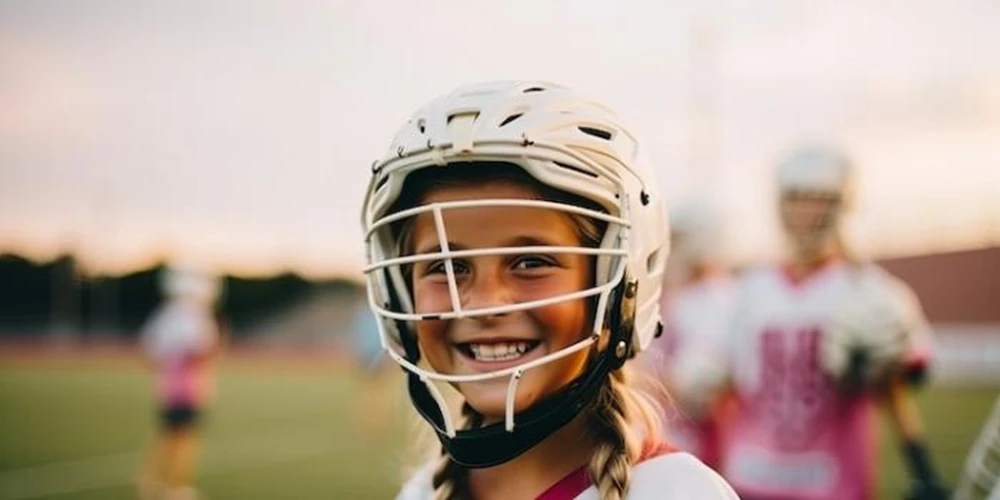
Clear vision is essential for young athletes when it comes to their ability to perform in sports and their active lifestyles. MiSight® 1 day contact lenses for myopia control...
What are the Risks of High Myopia?
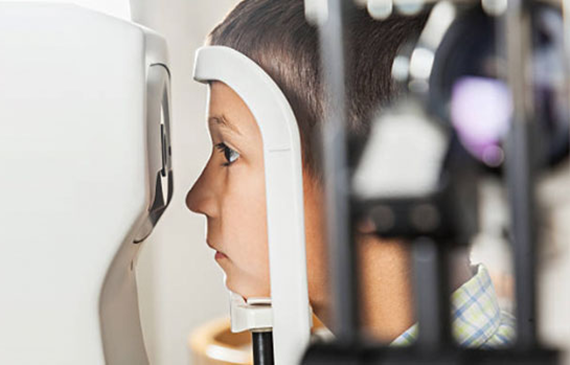
The blurred vision that comes with nearsightedness, also known as myopia, can sometimes be little more than an inconvenience. But in some cases, it can also put your eye health at...
*INDICATIONS AND BRIEF SAFETY INFORMATION for MiSight® 1 day soft contact lens:
INDICATIONS:
MiSight® 1 day (omafilcon A) Soft (Hydrophilic) Contact Lenses for Daily Wear are indicated for the correction of myopic ametropia and for slowing the progression of myopia in children with non-diseased eyes, who at the initiation of treatment are 8-12 years of age and have a refraction of -0.75D to -4.00D (spherical equivalent) with ≤ 0.75 diopters of astigmatism. The lens is to be discarded after each removal.
BRIEF SAFETY INFORMATION: Rx only; results may vary.
ATTENTION: Reference the Patient Information Brochure or visit misight.com/safety for a complete listing of Indications and Important Safety Information.
WARNINGS: Problems with contact lenses could result in serious injury to the eye. Do not expose contact lenses to water while wearing them. Under certain circumstances, MiSight® lenses’ optical design can cause reduced image contrast/ghosting/halo/glare in some patients that may cause difficulty with certain visually demanding tasks.
PRECAUTIONS: Daily wear single use only. Patient should always dispose when lenses are removed. No overnight wear. Patients should exercise extra care if performing potentially hazardous activities.
ADVERSE EVENTS: Including but not limited to infection/inflammation/ulceration/abrasion of the cornea, other parts of the eye or eyelids. Some of these adverse reactions can cause permanent or temporary loss of vision. If you notice any of the stated in your child, immediately have your child remove the lenses and contact your eye care professional.
References:
- Sulley A et al, Wearer experience and subjective responses with dual focus compared to spherical, single vision soft contact lenses in children during a 3-year clinical trial. AAO 2019 Poster Presentation.
- Chamberlain P, et al. A 3-year randomized clinical trial of MiSight® lenses for myopia control. Optom Vis Sci. 2019; 96(8)556-567.
- Chamberlain P et al, Further comparison of myopia progression in new and established myopia control treatment (MiSight® 1 day) groups. BCLA paper presentation 2019.
- Chamberlain P, Arumugam B, Jones D et al. Myopia Progression in Children wearing Dual-Focus Contact Lenses: 6-year findings. Optom Vis Sci 2020;97(E-abstract): 200038.
- Rah MJ, et al. Vision specific quality of life of pediatric contact lens wearers. OVS 2010;87(8):560-6.
- Holden BA, et al. Global Prevalence of Myopia and High Myopia and Temporal Trends from 2000 to 2050.
19667 04/26